Wellvibes • New Mom Hair Care
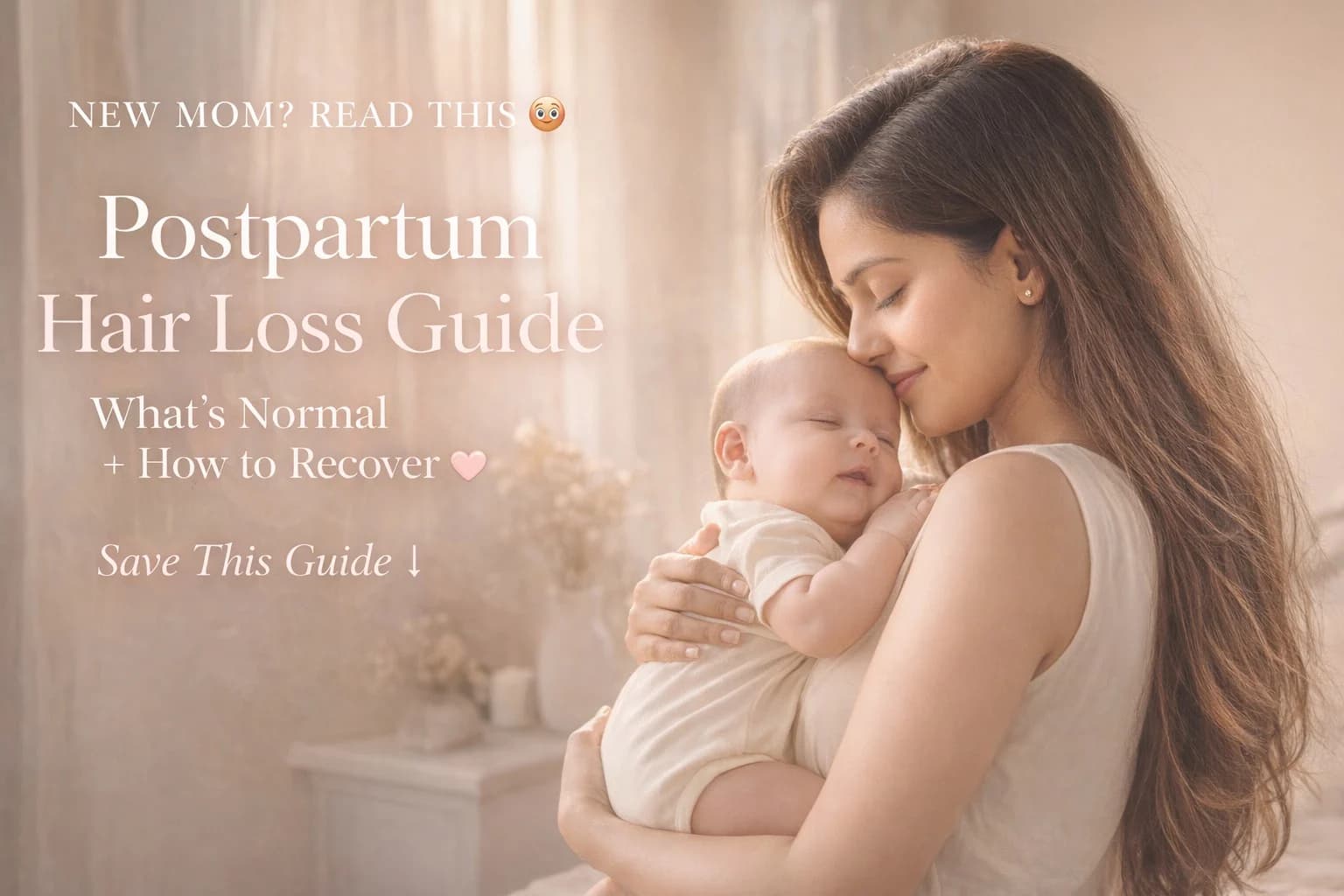
Postpartum Hair Loss Timeline:
What’s Normal & How to Regrow Hair Naturally
A soft, reassuring guide for new moms navigating postpartum hair fall 💗
Why does postpartum hair loss happen?
During pregnancy, higher estrogen levels keep more hair in the growth phase for longer, which is why many women notice thicker-looking hair. After childbirth, hormone levels begin to shift back, and many of those extra hairs move into the shedding phase at once.
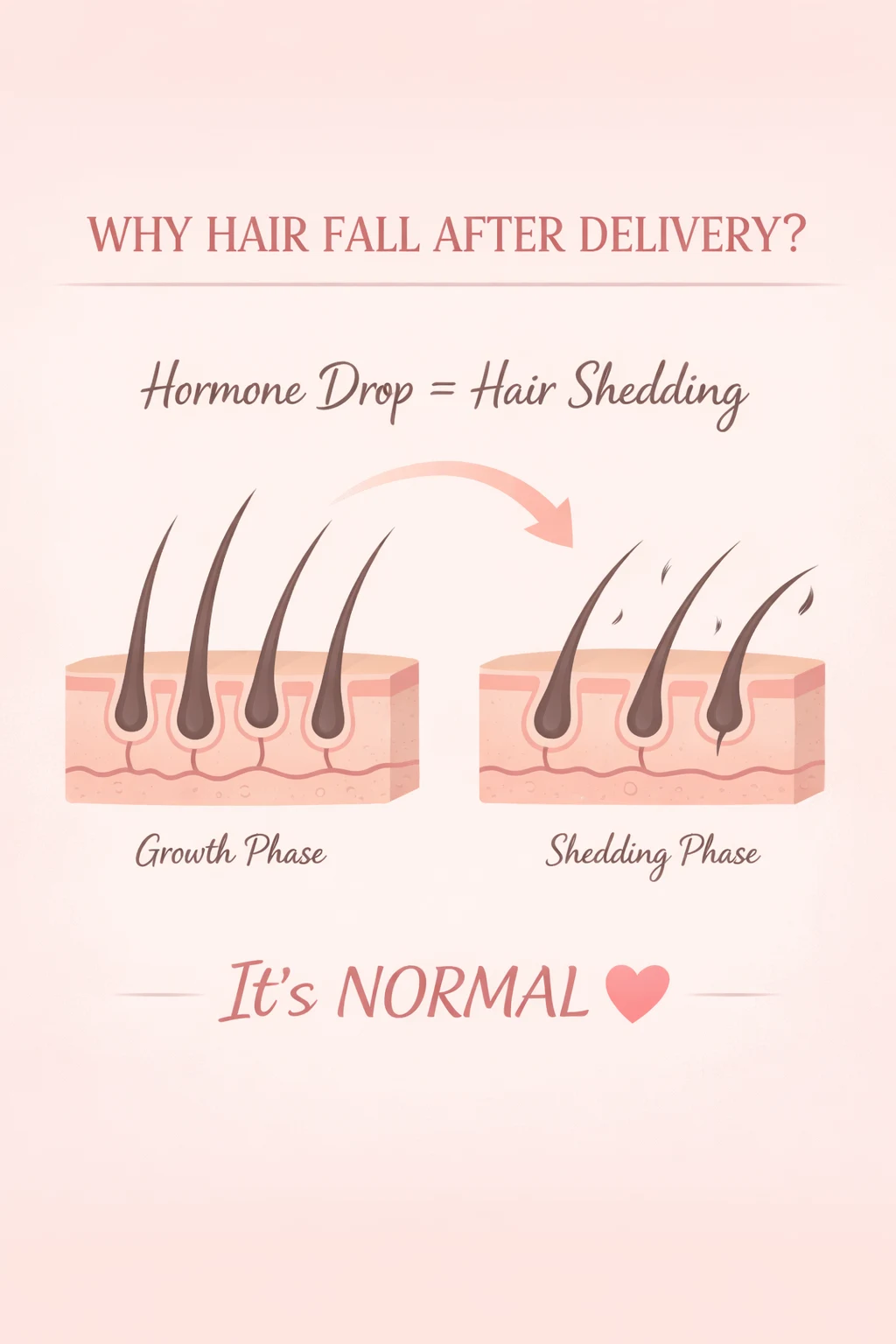
This can feel sudden and stressful, but in many cases, it is a normal and temporary part of postpartum recovery.
Postpartum Hair Loss Timeline
2–4 Months Postpartum
Hair shedding often begins as hormone levels drop after delivery.
4–6 Months Postpartum
This is usually the peak hair fall phase and the most noticeable stage.
6–12 Months Postpartum
Baby hair regrowth often starts, and recovery gradually begins.
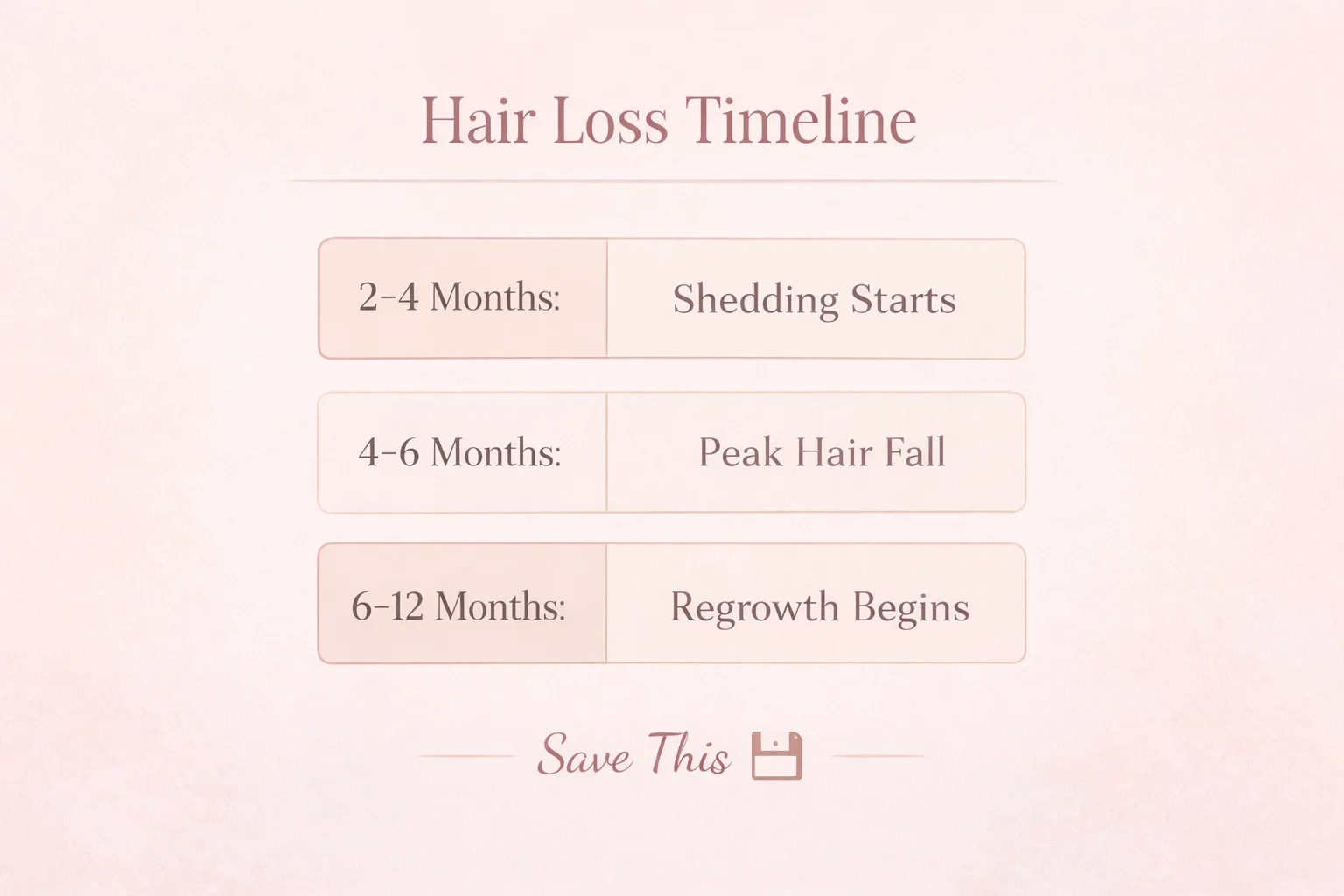
Good news: for many moms, this phase improves with time and gentle care.
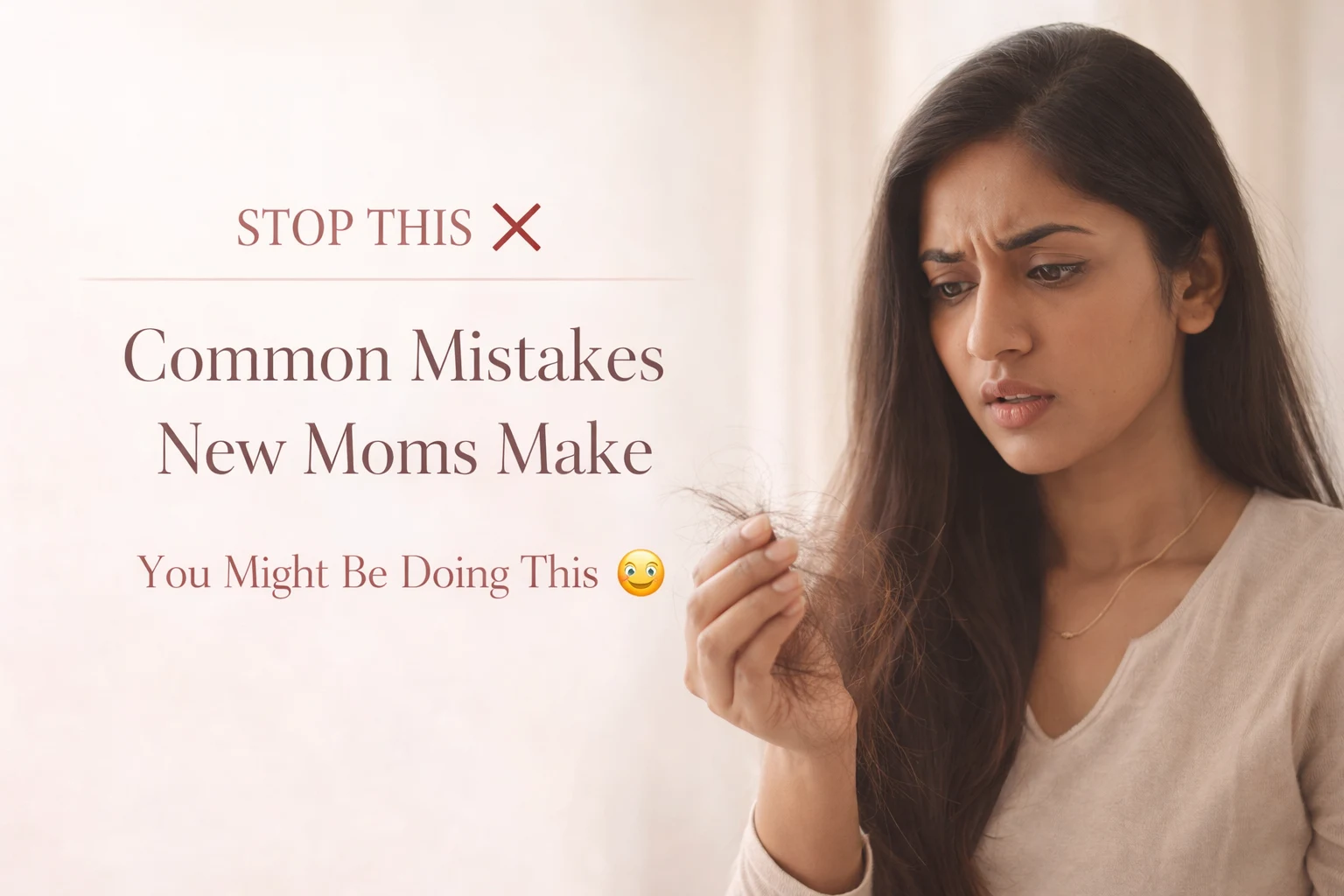
Common mistakes new moms make
Using too many harsh products too quickly
Ignoring scalp care completely
Brushing roughly when hair is wet and fragile
Skipping protein, iron-rich foods, and hydration
Wearing tight hairstyles that pull at the roots
Simple Recovery Rituals
5 gentle ways to support hair regrowth
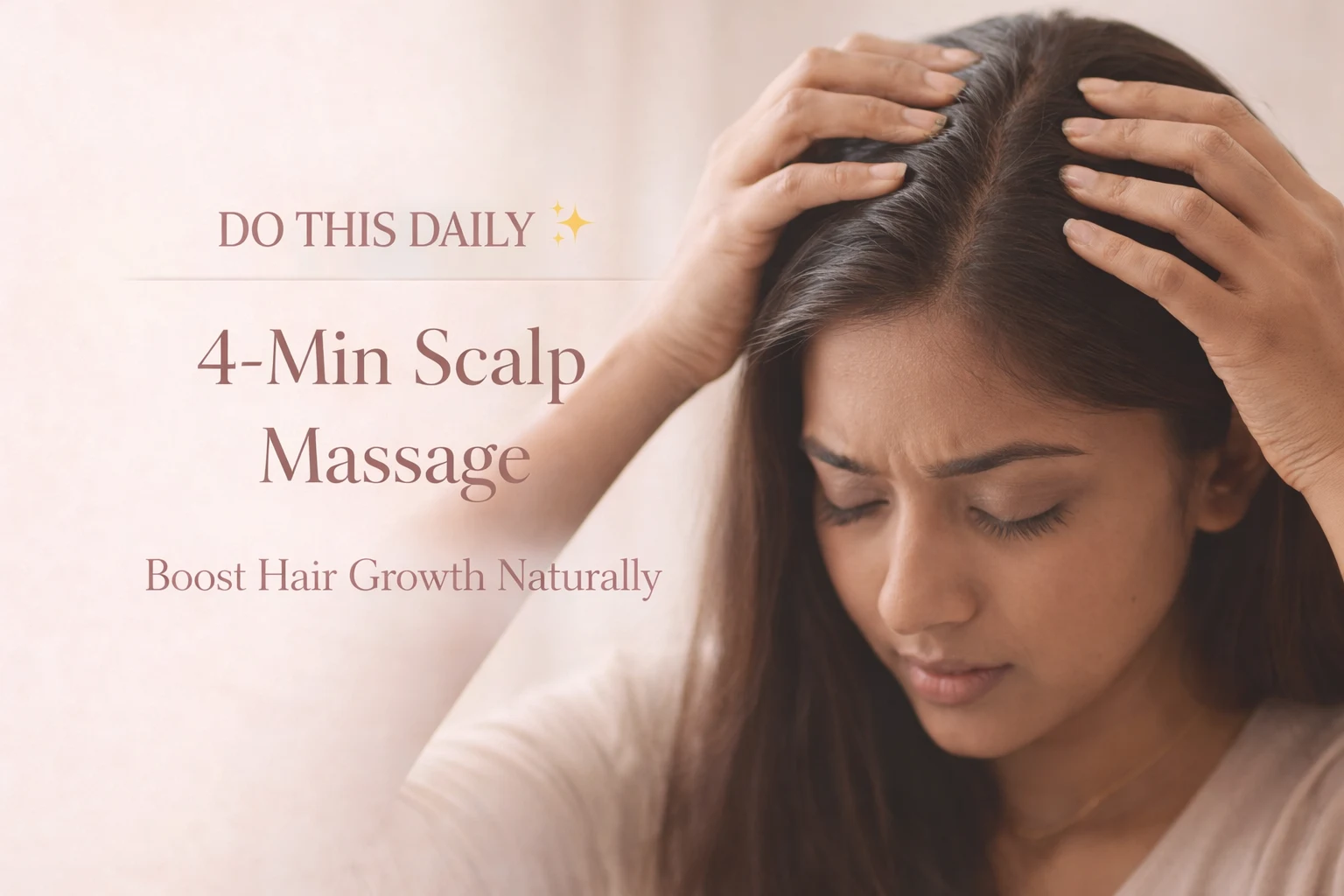
1. Do a gentle scalp massage daily
A soft scalp massage may help support circulation and can feel calming during postpartum recovery. Even 3–5 minutes a day can become a soothing self-care habit.
Recommended tool:
Shop Scalp Massager →
2. Switch to a gentle wooden comb
Postpartum hair can feel extra delicate. A wooden comb can help you detangle more gently and reduce rough pulling, especially after washing.
Recommended tool:
Shop Wooden Comb →
3. Use a mild shampoo
A gentle shampoo can help cleanse your scalp without leaving hair overly dry or rough. During postpartum recovery, keeping your wash routine simple is often the best approach.
Recommended product:
Shop Mild Shampoo →
4. Nourish your scalp with hair oil
Oiling can be a comforting ritual for many moms. A lightweight hair oil can support massage, softness, and a more nourished feel without making your routine complicated.
Recommended product:
Shop Hair Oil →
5. Support recovery from within
Your body is recovering after birth, so try to focus on protein, iron-rich foods, hydration, rest, and consistency. Hair recovery is usually slow and gentle, not instant.
Be patient with your body. Healing first, hair second.
When should you talk to a doctor?
If your hair loss feels very severe, lasts longer than expected, or comes with fatigue, dizziness, or other symptoms, it may be worth checking for issues like low iron, thyroid imbalance, or nutritional deficiencies.
Final thoughts
Postpartum hair loss can feel emotional, but it is very common and often temporary. Be gentle with your hair, stay consistent with simple care, and trust the recovery process.
✨ Save this guide and come back to it whenever you need reassurance ✨