How to Identify Your Fertile Window: A Step-by-Step Guide to Modern Conception
Understanding your body’s natural rhythm with calm, clarity, and modern fertility awareness.
Trying to conceive can feel overwhelming at first, especially when your cycle seems confusing or unpredictable. But understanding your fertile window is one of the most empowering steps you can take on your conception journey.
In 2026, fertility wellness is moving away from guesswork and toward deeper body awareness. Instead of relying only on apps or generic cycle calculators, women are learning to understand their own unique hormone patterns through simple daily tracking rituals.
Your fertile window is the approximately six-day period during your menstrual cycle when pregnancy is possible. This includes the five days leading up to ovulation and the day ovulation occurs.
Because sperm can survive in the reproductive tract for several days, timing matters more than perfection. Learning your fertile signs helps you identify the days when conception is most likely.
This guide walks you through the modern, gentle approach to fertility awareness — step by step.
What Is the Fertile Window?
The fertile window refers to the days in your cycle when pregnancy can occur.
Ovulation usually happens around the middle of your cycle, when one of your ovaries releases an egg. Once released, the egg survives for approximately 12–24 hours.
However, sperm can survive for up to five days under healthy fertile conditions. This means pregnancy is possible even if intercourse happens several days before ovulation.
Your most fertile days are usually:
the 2–3 days before ovulation
the day of ovulation
sometimes the day after
Every cycle is different, which is why tracking your body’s signs is more reliable than simply counting calendar days.
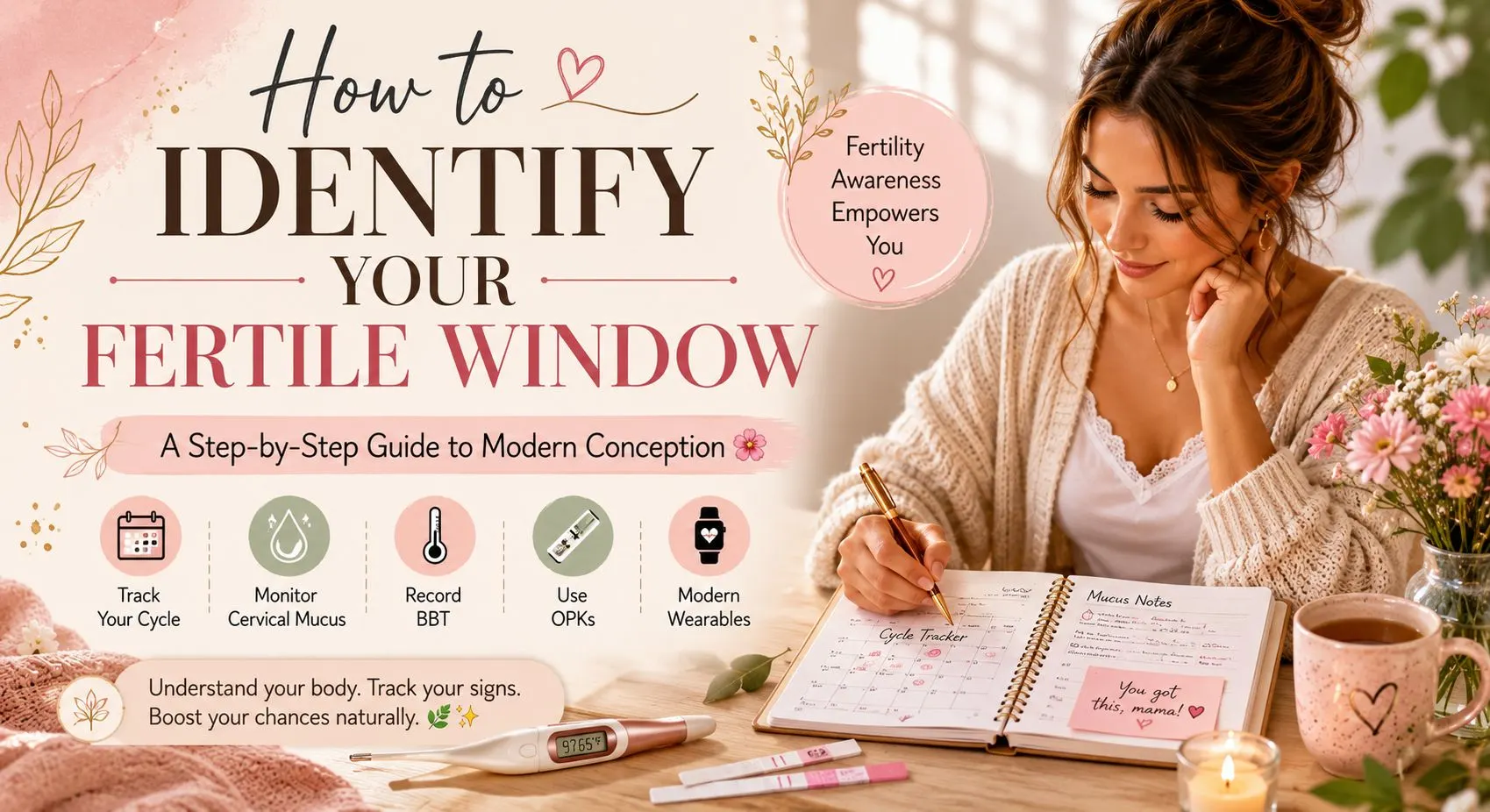
Step 1: Track Your Cycle Consistency
Before identifying ovulation, begin by understanding your cycle rhythm.
The first day of full menstrual flow is considered Day 1 of your cycle.
From there:
Count the number of days until your next period begins.
Repeat this for at least 3 months.
Look for patterns and consistency.
Most menstrual cycles range between 21–35 days, but consistency matters more than having a “perfect” 28-day cycle.
Why This Matters
Tracking cycle length helps estimate:
when ovulation may occur
when your fertile window begins
possible hormonal irregularities
Step 2: Monitor Cervical Mucus — Your Body’s Natural Fertility Signal
One of the most accurate natural fertility indicators is cervical mucus.
As estrogen rises before ovulation, cervical fluid changes texture to support sperm survival and movement.
The Different Phases
The Dry Phase
Right after menstruation, you may notice very little discharge or dryness.
The Transition Phase
As fertility increases, mucus may become:
sticky
creamy
lotion-like
Peak Fertility — Egg White Cervical Mucus (EWCM)
During ovulation, mucus often becomes:
clear
stretchy
slippery
similar to raw egg whites
This is your body’s most fertile fluid because it helps sperm travel more easily toward the egg.
Step 3: Record Basal Body Temperature (BBT)
Basal Body Temperature tracking helps confirm ovulation after it occurs.
BBT is your resting temperature immediately upon waking.
After ovulation, progesterone causes a slight temperature rise that usually remains elevated for several days.
How to Track BBT
Each morning:
take your temperature before getting out of bed
avoid drinking water first
use a precision basal thermometer
track at the same time daily if possible
What to Look For
You are looking for:
a small temperature rise
usually around 0.5°F–1°F
sustained for at least 3 days
This confirms ovulation occurred.
Step 4: Use Ovulation Predictor Kits (OPKs)
Ovulation Predictor Kits detect the surge in Luteinizing Hormone (LH) that occurs before ovulation.
An LH surge usually happens 24–48 hours before the egg is released.
When to Start Testing
For a 28-day cycle:
start testing around Day 10 or 11
If your cycle is longer or shorter:
adjust based on your average cycle length
Understanding Results
A positive OPK usually means:
ovulation is approaching
you are entering peak fertility
This is often the best time for conception attempts.
Step 5: Incorporate Modern Fertility Wearables
In 2026, fertility tracking has become more personalized and technology-driven.
Wearables now track:
skin temperature
sleep quality
resting heart rate
heart rate variability
These changes often shift throughout the menstrual cycle and can help predict ovulation patterns automatically.
Why Modern Tracking Helps
Technology can:
reduce tracking stress
improve consistency
simplify charting
increase body awareness
The goal isn’t perfection — it’s learning your body’s unique rhythm with patience and consistency.
Wellness Favorites for Fertility Tracking
A few intentional tools can make fertility awareness feel calmer, clearer, and more organized without making the process overwhelming.
🌡 Precision Basal Thermometer
A high-precision thermometer helps detect subtle temperature changes linked to ovulation.
Helpful for:
BBT charting
confirming ovulation
tracking hormone patterns
🩷 High-Sensitivity OPK Strips
Ovulation strips help identify your LH surge and peak fertile days more accurately.
Helpful for:
predicting ovulation
identifying fertile days
cycle awareness
✨ Fertility Wellness Planner
A calming fertility planner can help organize:
cycle dates
cervical mucus changes
symptoms
BBT tracking
mood and wellness notes
⌚ Smart Fertility Wearables
Modern fertility wearables simplify tracking by automatically monitoring temperature and sleep patterns.
Helpful for:
automated tracking
hormone pattern awareness
cycle predictions
Blogger’s Tip: Combine Multiple Methods
No single fertility tracking method is perfect on its own.
For highest accuracy, combine at least two methods, such as:
cervical mucus + OPKs
BBT + cycle tracking
wearable tracking + mucus observations
This gives a clearer overall picture of your fertile window.
Remember:
your body is not a machine.
Stress, travel, sleep, nutrition, illness, and emotional health can all influence ovulation timing.
Give yourself a few months to learn your body’s language with patience instead of pressure.
Signs You May Be Approaching Ovulation
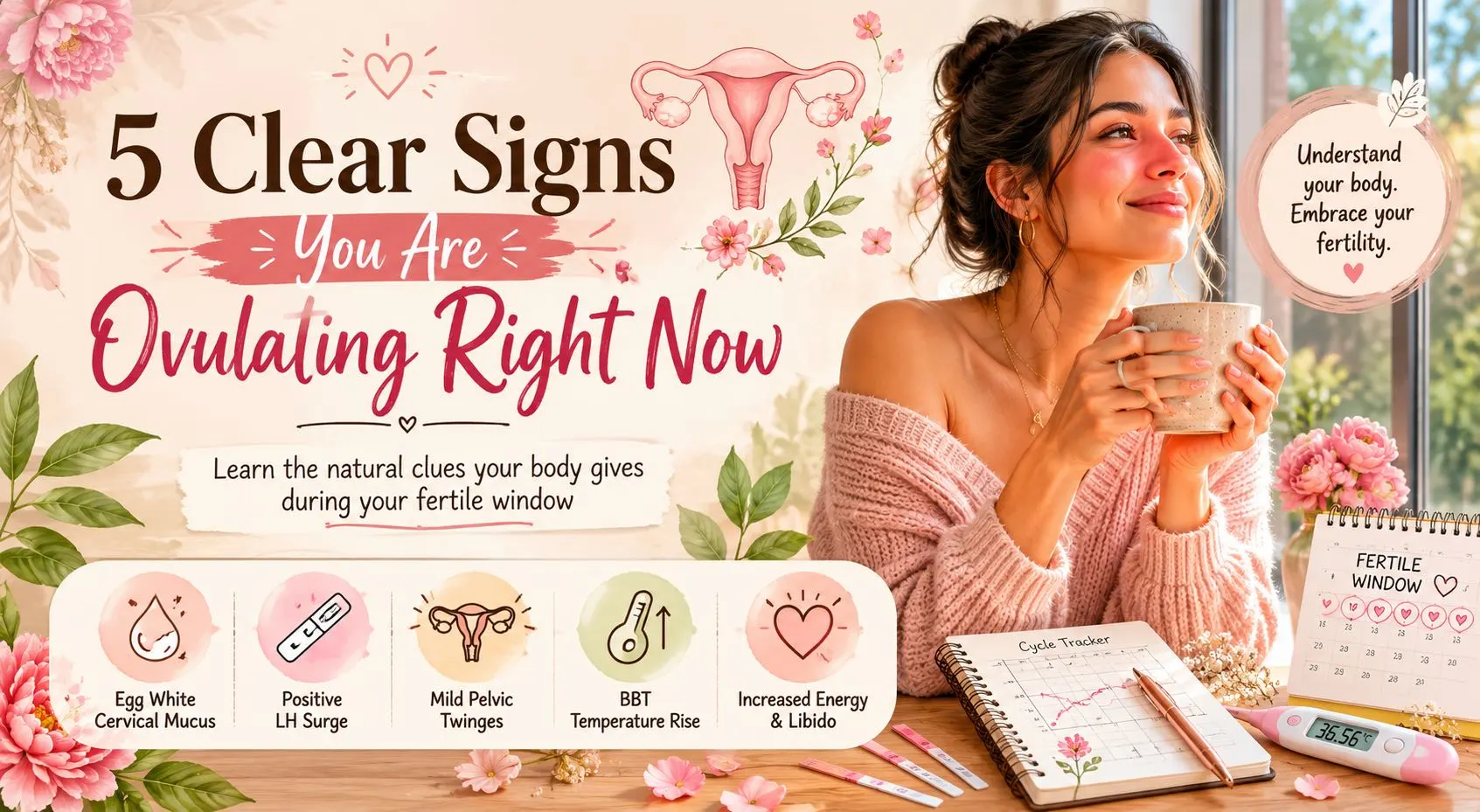
Some women notice natural ovulation symptoms like:
increased energy
mild pelvic discomfort
increased libido
clearer cervical mucus
breast tenderness
bloating changes
Tracking these patterns monthly helps improve fertility awareness naturally.
Lifestyle Habits That Support Fertility Wellness
Fertility health is deeply connected to overall wellness.
Supportive Daily Habits
prioritize sleep
manage stress gently
nourish your body consistently
stay hydrated
support hormone balance
move your body regularly
reduce excessive processed foods
Small habits create long-term hormonal stability.
Final Thoughts
Learning your fertile window is not about obsessing over every symptom or creating pressure around conception.
It’s about building trust with your body.
Fertility awareness allows you to understand your cycle, recognize hormonal patterns, and approach conception with more calm and confidence.
Whether you are just beginning your fertility journey or trying to better understand your hormones, consistency and patience matter far more than perfection.
Your body already communicates with you every month.
Tracking simply helps you learn how to listen.