5 Clear Signs You Are Ovulating Right Now
Understanding your body's natural fertility signals can help you feel more connected to your cycle and more confident about your reproductive health. Whether you're trying to conceive, practicing fertility awareness, or simply learning about your hormones, recognizing the signs of ovulation can be incredibly helpful.
Ovulation is the process where an ovary releases a mature egg, typically once during each menstrual cycle. The days leading up to and including ovulation are considered your most fertile days.
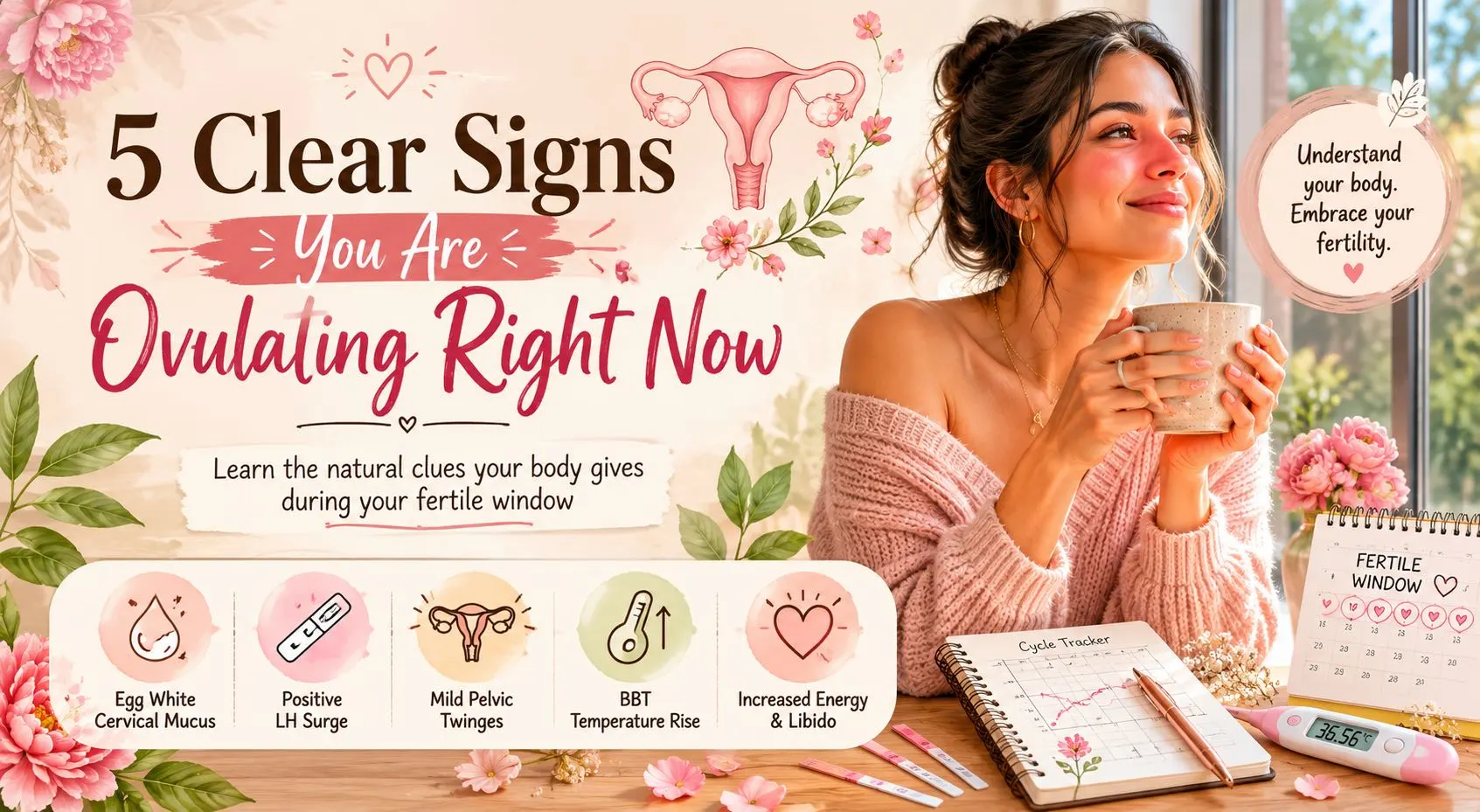
Here are five common signs that may indicate you are ovulating right now.
1. Egg White Cervical Mucus
One of the most noticeable signs of ovulation is a change in cervical mucus.
As estrogen levels rise before ovulation, cervical mucus often becomes clear, slippery, and stretchy—similar to the consistency of raw egg whites.
This type of mucus helps sperm survive longer and travel more easily through the reproductive tract.
If you notice this fertile-quality mucus, your fertile window may be open.
Helpful Tip:
Many women find it useful to track cervical mucus alongside their cycle calendar.
Recommended Reading:
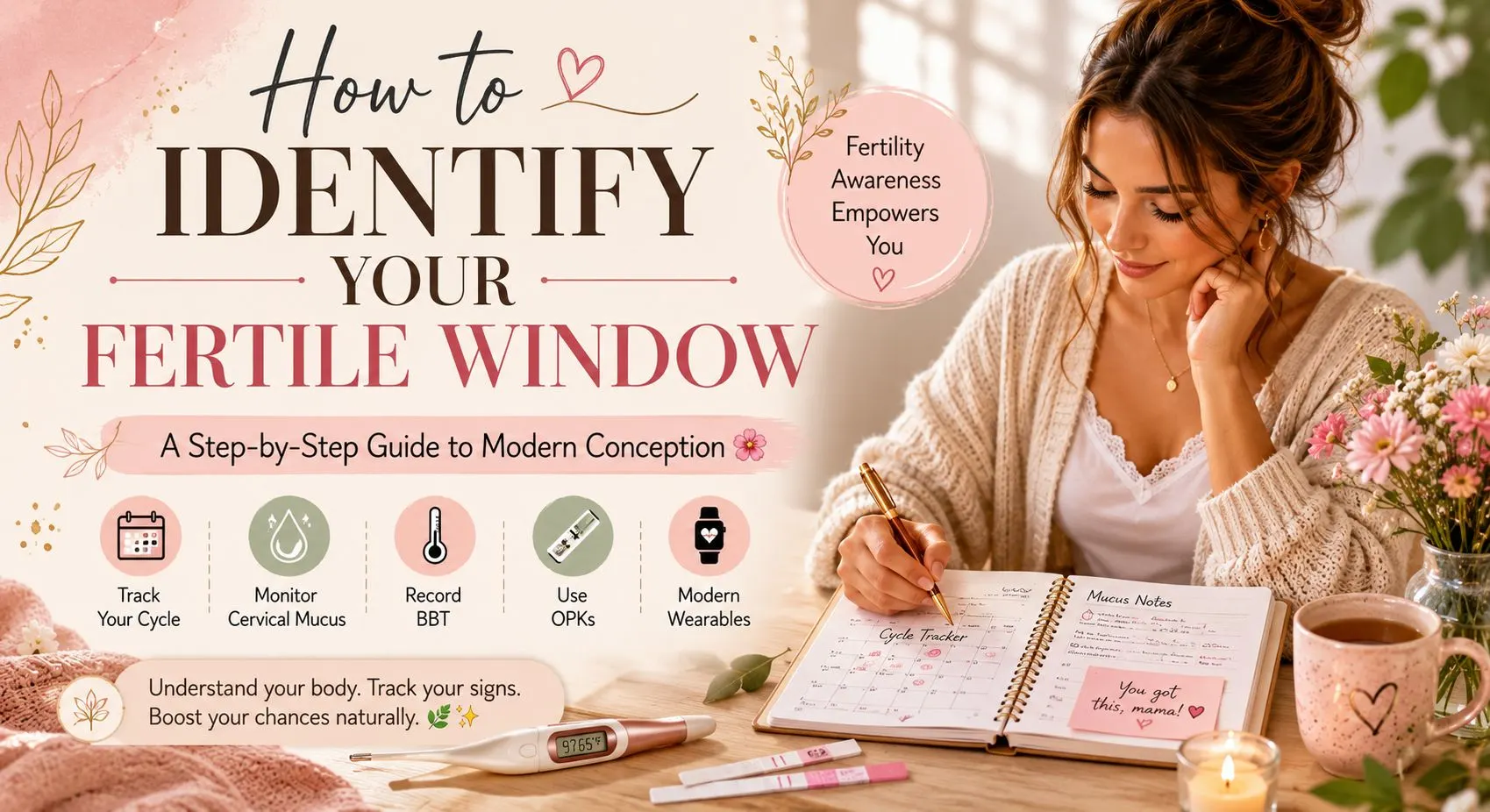
👉 How to Identify Your Fertile Window
2. A Positive LH Surge Test
Ovulation is triggered by a surge in luteinizing hormone (LH).
Ovulation Predictor Kits (OPKs) detect this surge and can help identify your most fertile days.
A positive LH test generally suggests that ovulation may occur within the next 24–48 hours.
My Favorite Ovulation Tracking Tools
If you're tracking ovulation at home, LH strips can be a simple addition to your routine.
Affiliate Disclosure: This post may contain affiliate links. If you purchase through these links, I may earn a small commission at no extra cost to you.
3. Mild Pelvic Twinges (Mittelschmerz)
Some women experience a mild ache or pinching sensation on one side of the lower abdomen around ovulation.
This is known as Mittelschmerz, a German word meaning "middle pain."
You may notice:
Mild discomfort on one side
A brief pinching sensation
Symptoms lasting minutes or hours
Occurrence around mid-cycle
Not everyone experiences ovulation pain, but for those who do, it can be a useful fertility clue.
Important Note:
Severe pain or persistent symptoms should be evaluated by a healthcare professional.
4. A Rise in Basal Body Temperature
After ovulation occurs, progesterone levels increase.
This hormonal shift causes a slight rise in Basal Body Temperature (BBT), typically around 0.3°C–0.6°C.
Tracking BBT can help confirm that ovulation has occurred.
BBT Tracking Essentials
Take your temperature immediately after waking
Use a basal body thermometer
Record daily temperatures consistently
Recommended Fertility Tool
A dedicated basal body thermometer can help improve tracking accuracy.
👉 Shop My Recommended Basal Body Thermometer
5. Increased Energy, Confidence, and Libido
Many women notice positive shifts in energy and mood around ovulation.
You may experience:
Increased libido
Better mood
Higher energy
Greater confidence
Improved motivation
This is largely due to rising estrogen levels during the fertile window.
Self-Care During Your Fertile Window
Ovulation can be a wonderful time to prioritize wellness rituals and self-care.
Fertility-focused yoga
Outdoor walks
Journaling
Hydration support
Relaxation practices
You might also enjoy a nourishing beauty ritual.
👉 Read: DIY Rice Water Hair Treatment for Healthy Hair
✨ Ovulation Checklist ✨
✔️ Clear, stretchy egg-white cervical mucus
✔️ Positive LH surge
✔️ Mild one-sided pelvic twinges
✔️ Increased energy and libido
✔️ Basal body temperature rise
Can You Ovulate Without Symptoms?
Yes.
Some women experience multiple ovulation signs while others notice very few.
This does not necessarily indicate a fertility issue.
Tracking your cycle over time can help you identify your own unique patterns.
Final Thoughts
Learning to recognize ovulation signs can help you better understand your cycle and fertility.
While no single symptom guarantees ovulation, combining cervical mucus observations, LH testing, and BBT tracking can provide valuable insights.
The more familiar you become with your body's natural rhythms, the easier it becomes to identify your fertile window and support your reproductive wellness naturally.
This article is for educational purposes only and should not be considered medical advice. Consult a qualified healthcare professional for personalized guidance.